
Is Amarante Worth Visiting? Here's Why

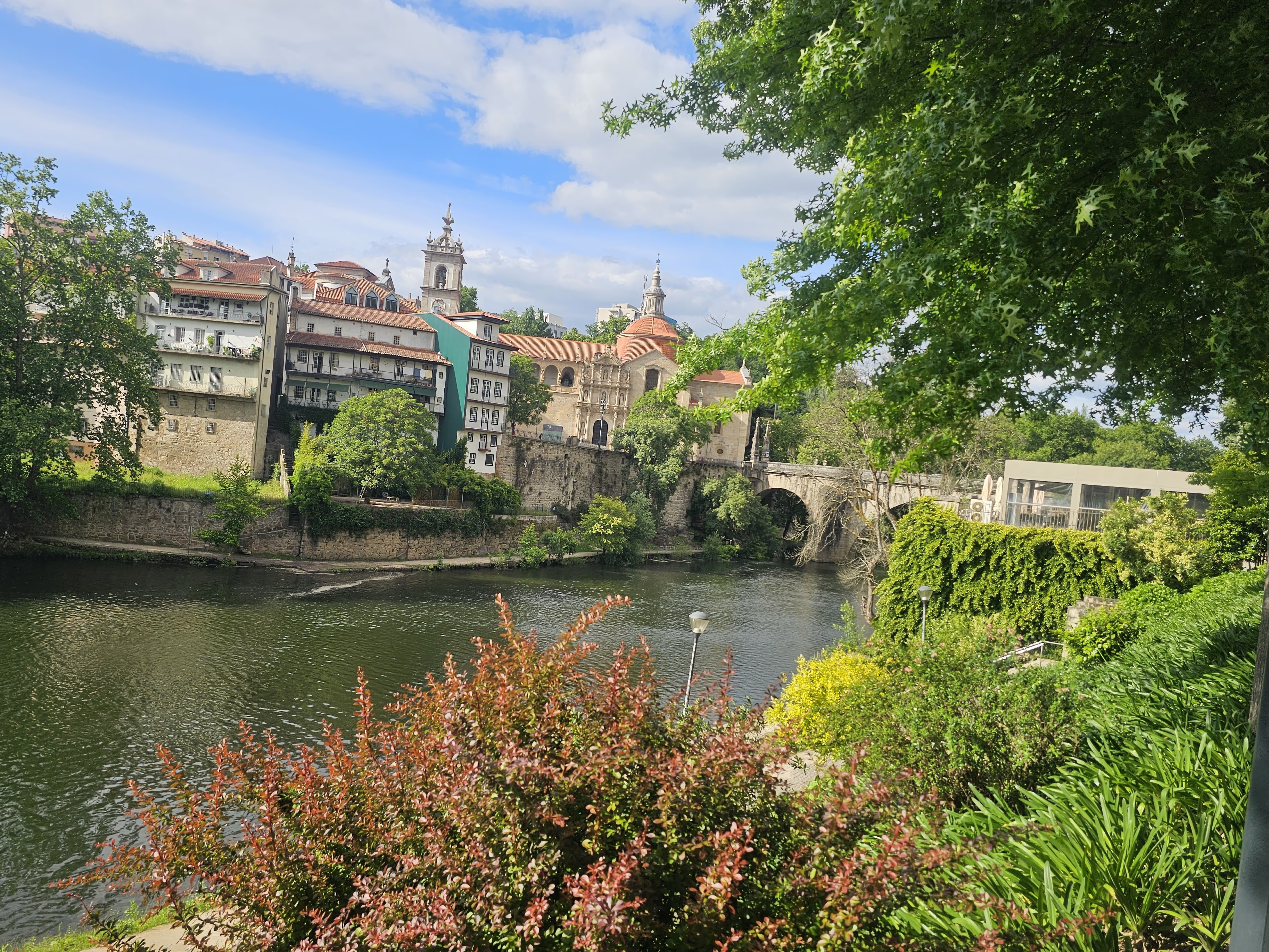
The granite bridge over the Tâmega, the elegant facades reflected
in the water, and the serene rhythm of the café terraces make an immediate impression: it is worth visiting Amarante
for anyone looking for more than a photo stop in Northern
Portugal. This is a town to explore at an unhurried pace, among heritage,
art, traditional flavors, and a green landscape that signals the transition
to the Douro Valley and the Vinho Verde region.
For travelers staying in Porto, Amarante offers a particularly
well-balanced getaway. It is close enough for a full-day experience,
yet it has identity, cultural depth, and small details that justify time in the itinerary. It does not replace the
Douro for those who dream of terraced vineyards, nor Guimarães for those
who prioritize Portugal's founding history. It does, however, offer a
very distinctive combination of river, religious heritage, modern art, and
gastronomy.
Is it worth visiting Amarante on a trip from Porto?
Yes, especially if you value authentic destinations that are well preserved and less dominated by the pace of big cities. The trip from Porto usually takes between 45 minutes and an hour, depending on your starting point and traffic. This proximity makes it easy to leave in the morning at a relaxed pace, enjoy a long lunch, and return to Porto before the end of the day, without turning the visit into a rushed sequence of stops.
Amarante works especially well for couples, families, and small
groups that prefer attention to detail over mass-tourism itineraries. The historic center is compact and pleasant on foot, but the experience gains another dimension when it includes the surroundings: scenic roads, local producers, estates, and mountain landscapes heading toward Marão.
The decision also depends on the kind of trip you want to make. If you
only have one day in Porto and it is your first visit to the city, you may
want to spend that time in Ribeira, the Port wine cellars, and Foz. But
if you already know the essentials or are looking for a calmer day,
Amarante is a distinct and rewarding choice.
The São Gonçalo Bridge and the Tâmega
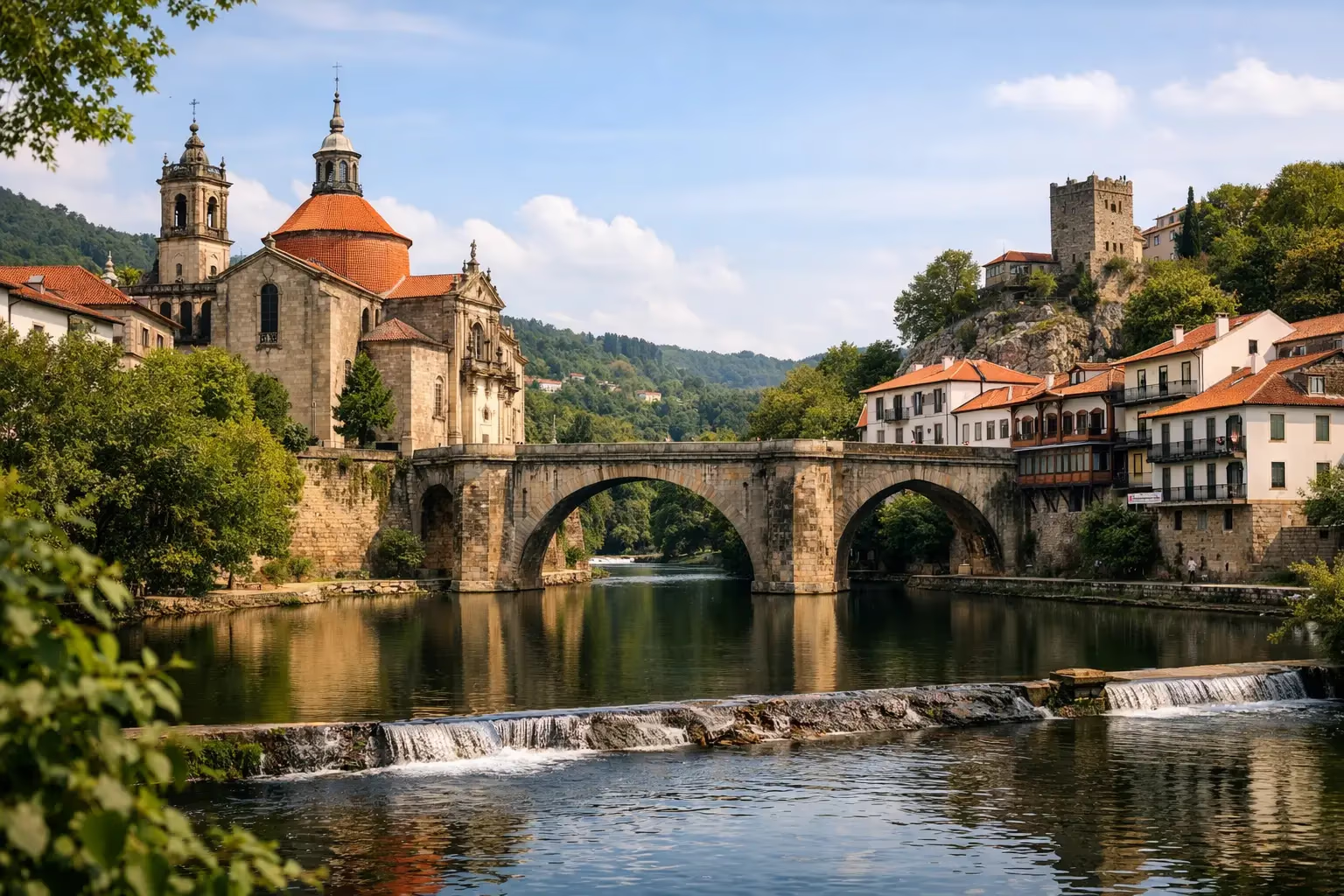
The visual heart of Amarante is the São Gonçalo Bridge. Built in the
18th century, after an earlier bridge was destroyed by floods, it links
the two banks of the Tâmega with a monumental yet delicate presence. From the bridge, the views reach the old houses, the riverside
restaurants, and the church that dominates the urban landscape.
More than just a pretty setting, this place carries historical weight. During the French invasions in 1809, the bridge was the scene of a
remarkable resistance by Portuguese forces against Napoleon's army.
Learning this context turns a simple crossing into a moment of connection
with the memory of the territory.
It is worth crossing it more than once: early in the morning, when the
town is waking up, and late in the afternoon, when the warm light softens
the granite and reflects on the river. It is not an experience that requires much
preparation, but it does call for a willingness to slow down.
São Gonçalo Church and Monastery
Next to the bridge is the São Gonçalo Church and Monastery, one of the
great symbols of Amarante. The Mannerist and Baroque facade deserves close
attention, as does the ornate interior and the tomb of Saint Gonçalo, a
religious figure deeply associated with the town.
Popular tradition links the saint to the protection of marriage and to
fertility. That is also why Amarante's phallic sweets, sold in local
confectioneries, are part of the visit. Their irreverent shape may
surprise you, but it belongs to an old folk culture that is experienced
naturally. Trying one, or choosing a more discreet version to take with
you, is a tasty way to enter the local spirit.
Amadeo de Souza-Cardoso: a decisive cultural reason
Amarante is the birthplace of Amadeo de Souza-Cardoso, one of the
major names of Portuguese modernism. Casa da Cerca, home to the
Municipal Museum Amadeo de Souza-Cardoso, is an essential stop for
anyone who appreciates art and wants to understand why this town holds
such an important place in Portuguese cultural history.
Amadeo's work dialogued with the European avant-garde of the early
20th century without losing a singular identity. Seeing his paintings in
Amarante creates a more direct relationship between the artist and the
landscape that saw him born. Even for those who do not usually plan trips
around museums, this visit adds depth to the day.
The museum does not require endless hours, which makes it easy to
incorporate into a well-planned private itinerary. The combination of a
morning of heritage, a cultural visit, and a local lunch creates a natural
pace, without the feeling of checking boxes.
What to eat and drink in Amarante
The cuisine is another strong answer to whether it is worth visiting
Amarante. The sweets are famous, but the table goes far beyond them.
Convent sweets, papos de anjo, and foguetes are classic choices to
accompany coffee, while regional cuisine calls for heartier dishes, especially in the cooler months.
Codfish, roast kid, and high-quality meats from the region often appear
on traditional restaurant menus. At lunch, the best choice is not always
the place with the most immediate view of the river. Attentive service, local
ingredients, and time for a relaxed meal can reveal more about Amarante than a menu made for hurried visitors.
In the glass, Vinho Verde
from the Amarante subregion deserves attention. There are lively,
mineral whites, but also characterful reds, linked to grape varieties and
methods that preserve the territory's personality. For wine lovers, a
tasting at a nearby estate can be the right complement to the historic center.
When to visit to make the most of it
Spring is one of the best times to get to know Amarante. The vegetation
along the Tâmega is especially beautiful, the temperatures invite you to
walk, and the light is ideal for photography. Autumn is also excellent,
with warmer tones on the hillsides and a less crowded atmosphere.
In summer, Amarante remains pleasant, although weekends can bring more
activity, especially around the bridge and the central restaurants.
Those who prioritize calm should choose a weekday and start early. In
winter, the river, granite, and comforting cuisine create a more intimate
atmosphere, but you should be prepared for rain and lower temperatures.
The June Festivities, dedicated to Saint Gonçalo, give the town special
energy, with lively street celebrations and local traditions. They are a
good option for those seeking a festive atmosphere, although less suitable
for travelers who want a quiet, secluded experience.
How to turn Amarante into a memorable day
Amarante rewards good curation. Arriving, photographing the bridge, and
leaving after half an hour is possible, but it reduces the town to a
single image. A well-thought-out itinerary should reserve time to walk
along the riverbanks, enter the church, visit the museum, enjoy a relaxed
lunch, and leave the center toward less obvious landscapes.
For a premium experience, transportation comfort and local knowledge
make a real difference. A private tour
lets you adjust the pace, choose stops according to the group's interests, and combine Amarante with a wine tasting, an estate, or a viewpoint in the region. It is an approach aligned with the way VIDABOA TOURS reveals the Northern Portugal: with time, context, and room for genuine moments.
Amarante does not need gimmicks to win over visitors. Just give it an
unhurried day, look at the Tâmega from the bridge, and let the art, the
table, and the landscape reveal what a quick visit never can.