
When to Visit Northern Portugal in Each Season

The Douro golden in September sun, the green terraces of April, the morning mist over Gerês, and Porto’s historic streets without queues: knowing when to visit Northern Portugal completely changes the experience. There is no single right answer. There is, instead, the season best suited to the pace you are looking for—whether that is a cultural getaway, a private wine trip, a hike in nature, or quiet days spent enjoying good food and heritage.
For those leaving Porto and wanting to get to know the region with time, comfort, and attention to detail, the shoulder season usually offers the best balance. Still, each time of year reveals a different side of the North—and some of its most memorable experiences happen precisely outside the most sought-after months.
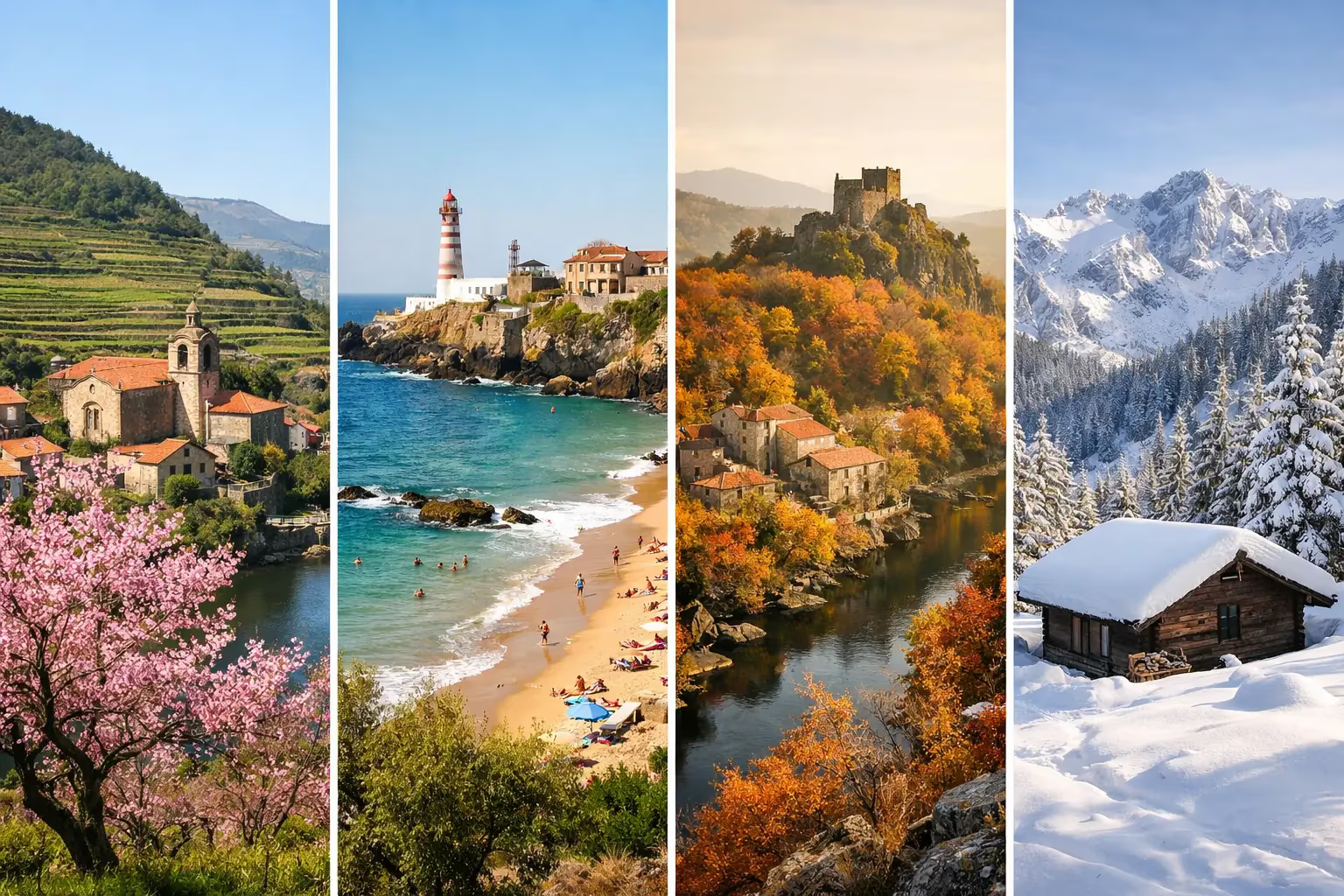
Spring: green vineyards, lively rivers, and bright cities
From March to May, Northern Portugal regains its intensity of color. In the Douro, the vineyards begin to wake up and the valleys present a particularly photogenic green palette. It is a very appealing time for those who value scenery, wine tastings, long lunches at estates, and scenic drives, without the strong summer heat.
Spring is also an excellent choice for Peneda-Gerês. The waterways are fuller, waterfalls become more striking, and trails reveal abundant flora. There is, however, a trade-off to consider: the weather can be variable. A bright morning may give way to rain or mountain mist, so it is wise to dress in layers and keep some flexibility in the itinerary.
Braga and Guimarães are especially lively in this season. The historic centers invite you to walk, the gardens are at their best, and the longer days make it possible to combine heritage, gastronomy, and rural landscapes without hurry. In the Vinho Verde region, spring favors a fresher and more authentic contact with the Minho countryside.
For travelers who prefer a private experience, April, May, and the first half of June are among the most balanced moments on the calendar. The roads are less congested than at the height of summer, and it is easier to feel that each stop truly belongs to the moment.
Summer: long days and a more intense energy
From June to September, the North picks up pace. The days are long, Porto’s terraces fill up, and the Douro shows its sunniest side. It is the ideal time for those who want to make the most of a full day, including viewpoints, a winery visit, a regional lunch, and a river cruise.
July and August offer very favorable conditions for outdoor activities, especially in mountain areas. In Gerês, swims in lagoons and rivers become particularly inviting. However, these are also the busiest months. The best-known places can receive more visitors, temperatures in the Douro can be high, and spontaneity requires more planning.
This reality does not mean summer should be avoided. For many travelers, especially families or those with only a few days in Portugal, it is the most practical season. The difference lies in how you travel: an early departure from Porto, schedules designed to avoid the hottest hours, and routes adjusted to the group’s interests can turn a high-demand day into a serene and well-composed experience.
On the coast, Aveiro offers a pleasant alternative on hotter days. The canals, salt pans, and proximity to the coast create a refreshing contrast with the Douro interior. In Minho, the green remains present even at the height of summer, although the sun is more constant and the towns have a livelier atmosphere.
What to expect from the Douro in August and September
August is often hot, dry, and visually impressive, but it calls for some discernment. Visits to the vineyards and viewpoints are more comfortable in the morning or late afternoon. A long lunch, in a cool space with a view over the river, stops being just a break and becomes part of the day’s design.
September deserves special attention. It is the month of the grape harvest at many Douro estates, a period of enormous energy and significance for the region. Seeing the landscape in full agricultural activity is unforgettable, but the availability of some experiences may be more limited due to the intense work on the properties. Those who want to take part in or observe this atmosphere should book in advance and accept that the authenticity of the harvest does not always follow rigid schedules.
Autumn: the most striking season for wine and scenery
Between late September and November, the North presents one of its most elegant versions. In the Douro, green tones give way to yellow, copper, and deep red. The light becomes softer, temperatures are generally more comfortable, and the region gains a contemplative atmosphere that naturally pairs with wine, gastronomy, and heritage.
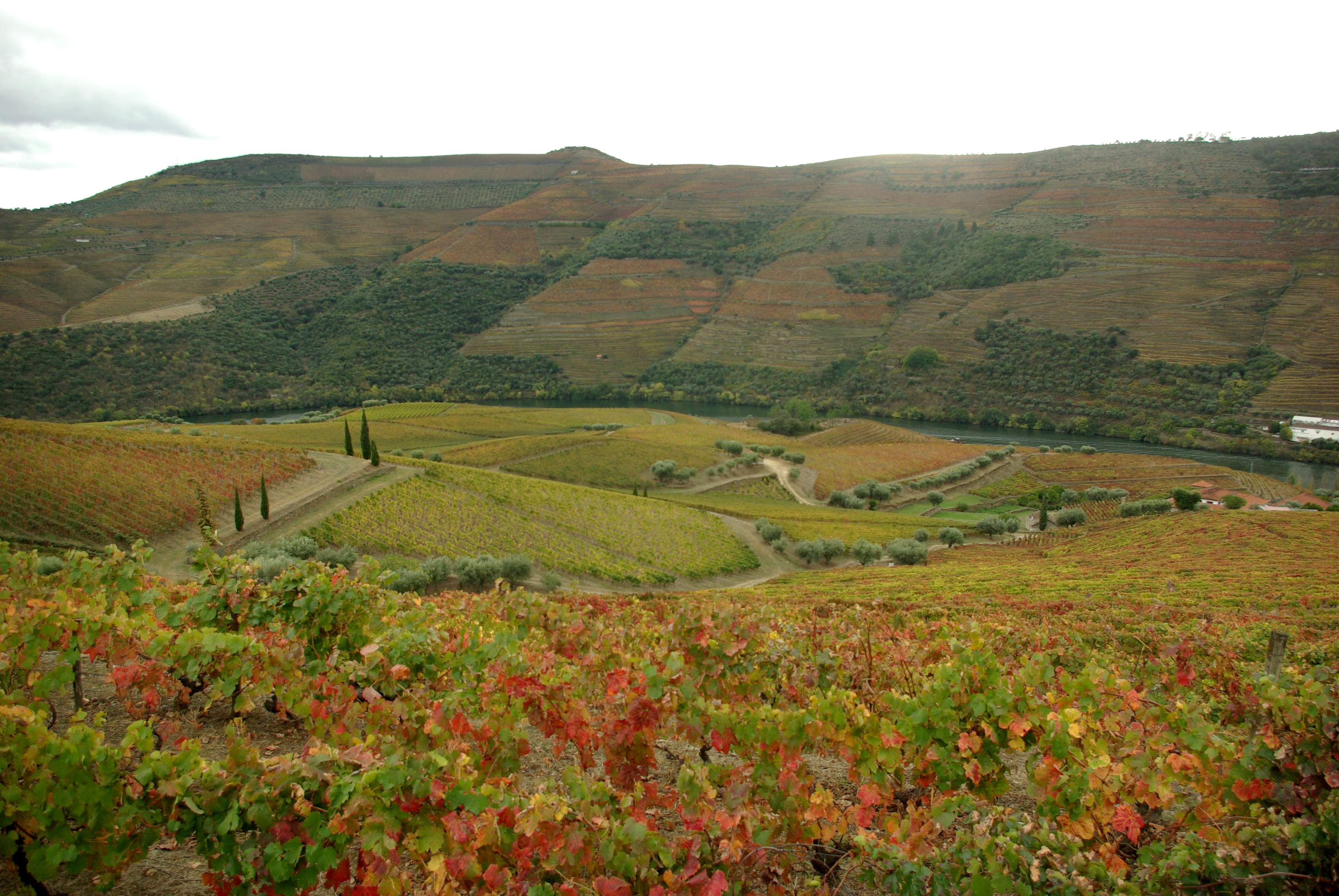
For many connoisseurs, October is the best month to visit the Douro. After the intensity of the harvest, the valley slows down slightly, while maintaining the beauty of the landscape and a strong connection to wine culture. It is an exceptional choice for couples and small groups looking for more private moments, good tastings, and scenery that needs no filters.
Autumn also favors gastronomic getaways. It is time for chestnuts, mushrooms, richer dishes, and wines that call for conversation at the table. In Porto, Braga, and Guimarães, temperatures remain suitable for walking through the historic centers, while the rural areas reveal a more intimate side.
From November onward, the likelihood of rain increases and the days grow shorter. On the plus side, fewer crowds can be a real advantage for those who do not just want to photograph the places, but inhabit them more calmly. A private itinerary, adjusted to the day’s weather, is particularly valuable at this time.
Winter: fewer visitors, more character
From December to February, the North is quieter, wetter, and, on many days, deeply atmospheric. Porto gains dramatic light along the Douro, cellars become cozy refuges, and regional cuisine takes on an even more prominent role. For travelers who appreciate museums, architecture, wine, and memorable meals, winter can be a surprise.
In the Douro Valley, the bare terraces reveal the monumental structure of the landscape. It is a different beauty from spring or autumn: less exuberant, but more refined. Clear winter days can provide extraordinary views, although it is essential to expect low temperatures and the possibility of rain.
In Gerês, winter calls for caution. Certain trails can be slippery, some mountain roads may have restrictions, and conditions change quickly. It is not the best time for those whose priority is swimming in lagoons or taking long hikes at altitude. It is, however, a good time for scenic drives, traditional villages, and a calmer relationship with the mountains, as long as it is accompanied by informed planning.
The Christmas season adds charm to cities like Braga, Guimarães, and Porto. The cultural calendar, lighting, and seasonal markets create an additional reason to travel, but it is worth confirming monument, restaurant, and winery opening hours on holiday dates.
When to visit Northern Portugal according to the type of trip
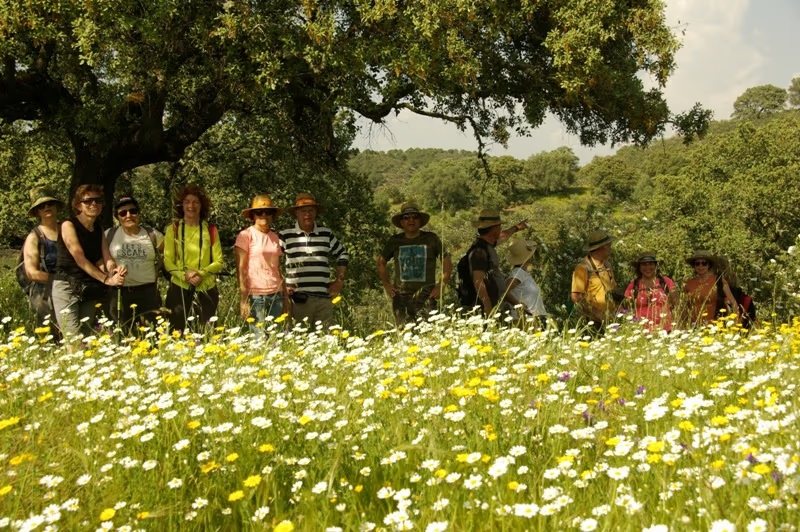
If your priority is nature and hiking, choose spring or early autumn. May, June, September, and October combine mild temperatures, expressive landscapes, and better conditions for being outdoors. For lagoons, rivers, and hot days in Gerês, July and August are more suitable, provided you accept more crowds.
If your main goal is the Douro and wine, the answer depends on the experience you want. April through June offers vibrant vineyards and pleasant weather; September brings you close to the energy of the harvest; October offers, for many, the most refined balance between color, comfort, and tranquility. In winter, visits can be more private and gastronomic, with less life in the vineyards, but more intimacy at the table.
For a first trip that combines Porto, Braga, Guimarães, Aveiro, and inland landscapes, spring and autumn are safe choices. There is enough light for full days, less tourist pressure, and a pace that allows you to appreciate details. VIDABOA TOURS designs private experiences precisely from this logic: the best itinerary is not the one that tries to see everything, but the one that respects the season, the time available, and what each traveler wants to feel.
The best date is not necessarily the most popular. It is the one where the North gives you space to stop at a viewpoint, extend a wine tasting, listen to the river, and return to Porto with the feeling that you got to know a region, not just completed a route.